 by Biddie Gurley


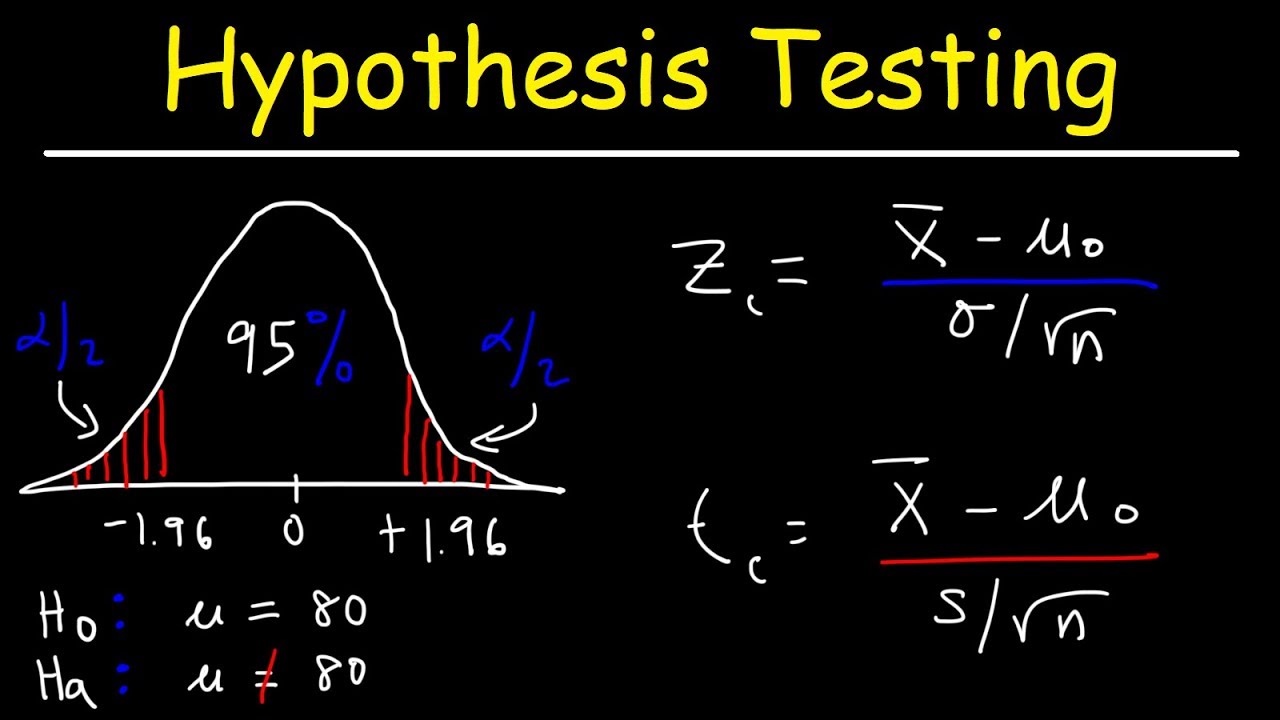
Hypothesis testing is a cornerstone of statistical analysis, providing a method to make decisions or inferences about population parameters based on sample data. This quiz will challenge your understanding of key concepts such as null and alternative hypotheses, significance levels, and test statistics. Sharpen your analytical skills and get ready to apply your knowledge to a series of engaging questions. Good luck!
We recommend that you do not leave the page that you are taking this quiz in. Stay honest 🙂
Hypothesis Testing Quiz Questions Overview
1. What is the null hypothesis in hypothesis testing?
A statement that there is an effect
A statement that there is no effect
A statement that there is a difference
A statement that the sample is biased
2. What is a Type I error?
Rejecting a true null hypothesis
Failing to reject a false null hypothesis
Rejecting a false null hypothesis
Failing to reject a true null hypothesis
3. What is a p-value?
The probability of rejecting the null hypothesis
The probability of obtaining a result at least as extreme as the one observed, given that the null hypothesis is true
The probability of accepting the null hypothesis
The probability of making a Type II error
4. What is the significance level (alpha) in hypothesis testing?
The probability of making a Type II error
The probability of making a Type I error
The probability of accepting the null hypothesis
The probability of obtaining a significant result
5. What does it mean if a test is ‘two-tailed’?
The test only considers deviations in one direction
The test considers deviations in both directions
The test has a higher significance level
The test is more powerful
6. What is a Type II error?
Rejecting a true null hypothesis
Failing to reject a false null hypothesis
Rejecting a false null hypothesis
Failing to reject a true null hypothesis
7. What is the alternative hypothesis?
A statement that there is no effect
A statement that there is an effect
A statement that the sample is biased
A statement that the test is invalid
8. What does a p-value less than 0.05 typically indicate?
The null hypothesis is true
The null hypothesis can be rejected
The test is invalid
The sample is biased
9. What is the power of a test?
The probability of rejecting a true null hypothesis
The probability of accepting a true null hypothesis
The probability of correctly rejecting a false null hypothesis
The probability of making a Type I error
10. What does it mean if a test is ‘one-tailed’?
The test only considers deviations in one direction
The test considers deviations in both directions
The test has a higher significance level
The test is more powerful
11. What is the test statistic?
A value that measures the sample size
A value that measures the effect size
A standardized value used to determine the p-value
A value that measures the significance level
12. What is the critical value in hypothesis testing?
The value of the test statistic
The threshold that the test statistic must exceed to reject the null hypothesis
The p-value
The significance level
13. What does the term ‘statistically significant’ mean?
The results are important
The results are unlikely to have occurred by chance
The results are not important
The results are likely to have occurred by chance
14. What is the role of sample size in hypothesis testing?
It has no effect
It affects the power of the test and the precision of the estimates
It only affects the power of the test
It only affects the precision of the estimates
15. What is the purpose of a confidence interval in hypothesis testing?
To provide a single estimate of the population parameter
To provide a range of values within which the true population parameter is expected to lie
To determine the sample size
To determine the p-value
16. What does it mean if the confidence interval for a mean difference includes zero?
There is a significant difference between the means
There is no significant difference between the means
The sample size is too small
The test is invalid
17. What is the effect size in hypothesis testing?
The probability of rejecting the null hypothesis
The magnitude of the difference or relationship
The sample size
The p-value
We recommend that you do not leave the page that you are taking this quiz in. Stay honest 🙂